All Services
-

-
 Affective Disorders (Depression, BPAD, Mania) Oct 06, 2025
 -
 Obsessive and Compulsive Disorders Sep 27, 2025
 -
 Stress Related Disorders (PTSD) Oct 06, 2025
 -
 Eating Disorders (Anorexia and Bulimia Nervosa) Oct 06, 2025
 -

-
 Phobias (Social and Specific Phobias) Oct 06, 2025
 -
 Puerperal Disorders (Postpartum Blues, Postpartum... Oct 06, 2025
 -

-

-
 Personality Disorders (Schizoid, Borderline) Oct 06, 2025
 -
 Conversion Disorders Oct 06, 2025
 -
 Neuropsychiatry Oct 06, 2025
Puerperal Disorders (Postpartum Blues, Postpartum Depression)
What are Puerperal Disorders?
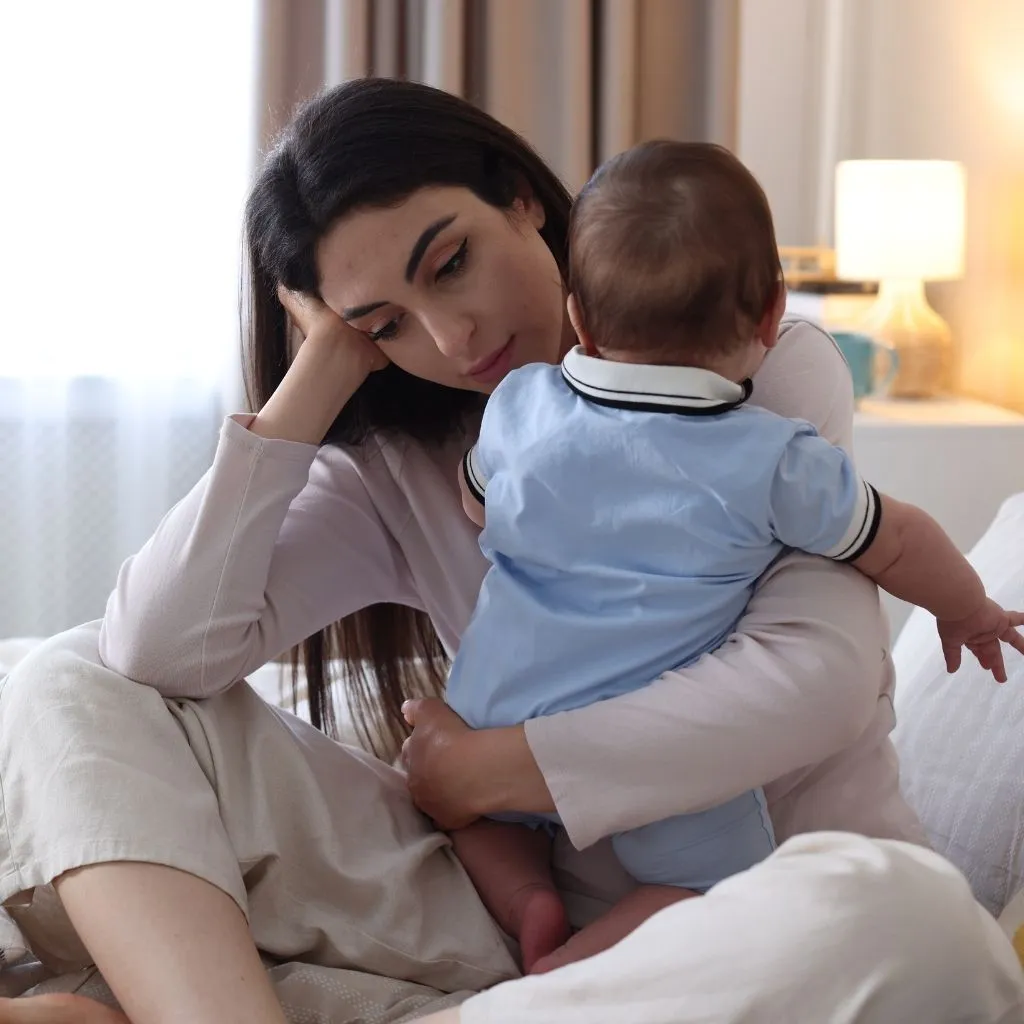
Puerperal (or Postpartum) Disorders encompass a range of emotional disturbances that occur during pregnancy (perinatal) or after childbirth. These conditions vary from the common, transient "postpartum blues" (mood swings, tearfulness) to the more debilitating and chronic Postpartum Depression (PPD), which involves intense sadness, exhaustion, anxiety, and sometimes disturbing thoughts. The most severe, but rare, form is postpartum psychosis, which requires immediate medical attention.
Sensitive and Comprehensive Maternal Care
Dr. Sravani Behara provides specialized, non-judgemental care for mothers navigating these complex emotional periods. We understand that these feelings are not a personal failure but a medical condition influenced by hormonal shifts, sleep deprivation, and intense life change. Our first step is a sensitive clinical assessment to determine the severity of the condition and ensure the safety of both mother and baby.
Common Issues We Address
-
Persistent sadness, emptiness, or a feeling of being overwhelmed (Postpartum Depression).
-
Extreme anxiety or obsessive thoughts about the baby's safety.
-
Difficulty bonding with the newborn.
-
Changes in sleep patterns unrelated to the baby’s schedule, appetite, or energy.
-
Guilt, shame, or feelings of inadequacy as a parent.
-
In rare cases, severe confusion, hallucinations, or thoughts of harming self or baby (Postpartum Psychosis).
Prioritizing Mother and Child Well-being
Treatment plans are carefully designed, often integrating psychotherapy (such as interpersonal therapy or CBT) with responsible pharmacological management. Dr. Behara takes into consideration factors such as breastfeeding and co-parenting support when recommending medication, ensuring the safest and most effective path to recovery. Our focus is on restoring the mother's mental health so she can fully experience the joy of parenthood.
How to Support Someone with a Puerperal Disorder
-
Provide practical, concrete help: Do the laundry, watch the baby so she can nap, or prepare a meal. She may be too overwhelmed to ask for help.
-
Listen without fixing: Allow her to express feelings of hopelessness or guilt without minimizing them. Avoid phrases like, "You have a beautiful baby, be happy."
-
Encourage specialized care: Postpartum disorders are different from general depression; ensure she is seeing a professional specializing in perinatal mental health.
-
Monitor for severe symptoms: Be alert for signs of confusion, hallucinations, or thoughts of self-harm, which require immediate emergency intervention.