All Services
-

-
 Affective Disorders (Depression, BPAD, Mania) Oct 06, 2025
 -
 Obsessive and Compulsive Disorders Sep 27, 2025
 -
 Stress Related Disorders (PTSD) Oct 06, 2025
 -
 Eating Disorders (Anorexia and Bulimia Nervosa) Oct 06, 2025
 -

-
 Phobias (Social and Specific Phobias) Oct 06, 2025
 -
 Puerperal Disorders (Postpartum Blues, Postpartum... Oct 06, 2025
 -

-

-
 Personality Disorders (Schizoid, Borderline) Oct 06, 2025
 -
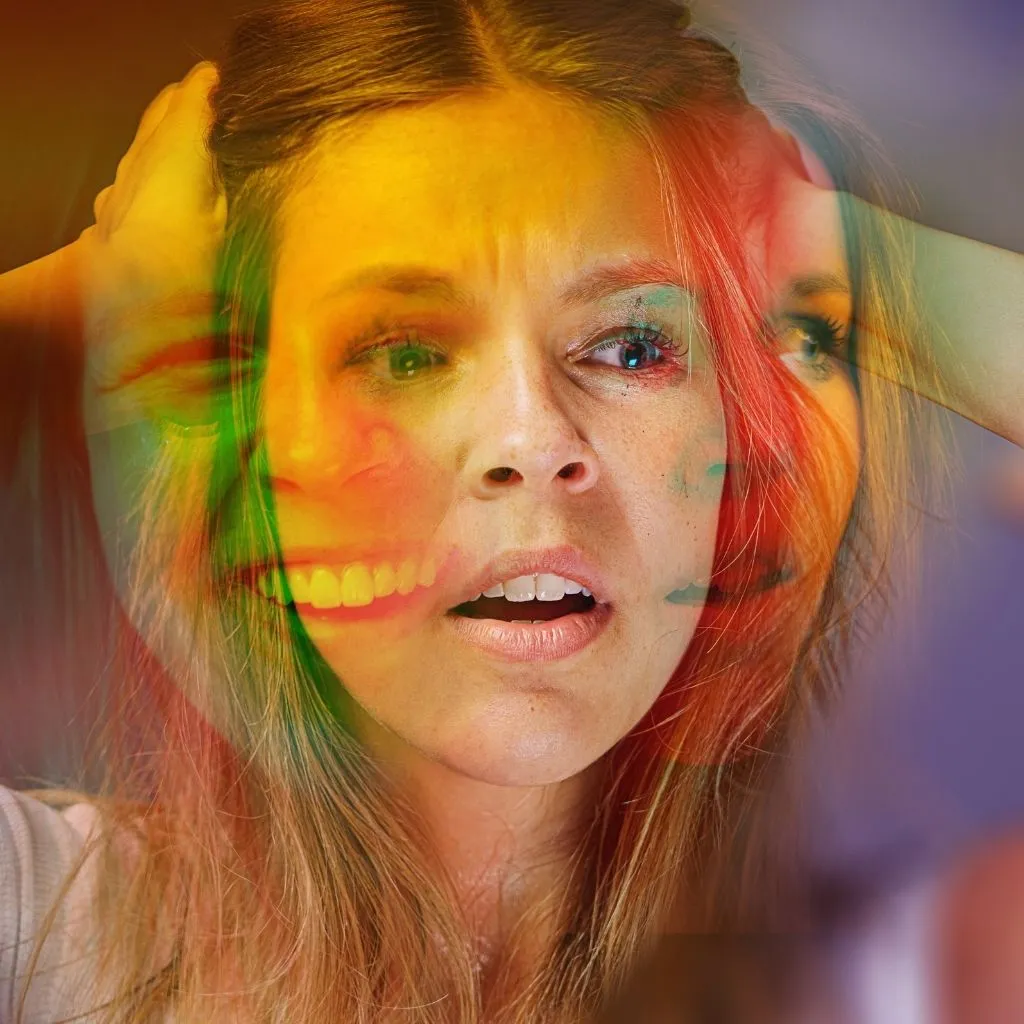 Conversion Disorders Oct 06, 2025
 -
 Neuropsychiatry Oct 06, 2025
Conversion Disorders
What is Functional Neurological Symptom Disorder (FNSD)?
Conversion Disorder, now officially termed Functional Neurological Symptom Disorder (FNSD), is a condition where a patient experiences neurological symptoms—such as paralysis, blindness, tremors, or non-epileptic seizures—that cannot be explained by a known neurological disease. These symptoms are genuine and distressing but are thought to be the physical manifestation of significant psychological stress or emotional conflict. It is a complex interaction between the brain and body that requires specialized neuropsychiatric expertise.
Expert Diagnosis and Holistic Assessment
The process begins with a thorough medical and psychiatric evaluation by Dr. Sravani Behara to meticulously rule out any underlying physical disease. A clear diagnosis of FNSD is crucial for proper treatment. Our approach acknowledges the reality of the patient's physical suffering while gently guiding them to understand the mind-body connection underlying their symptoms.
Common Issues We Address
-
Episodes of non-epileptic seizures or fainting spells.
-
Sudden onset of weakness or partial paralysis.
-
Sensory symptoms, such as loss of sight, hearing, or sensation.
-
Tremors or movement abnormalities that do not fit known neurological patterns.
-
Underlying emotional stress, anxiety, or trauma contributing to physical symptoms.
-
Chronic disability or functional impairment due to physical symptoms.
Mind-Body Integrated Recovery
Treatment primarily involves psychological therapies combined with psychoeducation to help the patient understand their condition. CBT is often used to address and manage underlying stress and emotional conflicts. For some cases, the use of psychopharmacology can help manage associated anxiety or depression. The goal is to facilitate the patient's return to normal physical functioning by addressing the root psychological drivers of the symptoms.
How to Support Someone with FNSD (Conversion Disorder)
-
Validate the physical symptoms: The symptoms are real, even if the cause is psychological. Acknowledge their pain and discomfort without suggesting they are "faking it."
-
Encourage psychological treatment: Gently reinforce the fact that the mind and body are connected, and that addressing underlying stress and emotions is the path to physical recovery.
-
Avoid over-focusing on the symptom: Once they are stable, focus conversations on their emotional state, daily activities, and recovery goals, rather than dwelling on the specific physical symptom.
-
Maintain normal expectations: Encourage participation in normal life activities to the best of their ability, promoting function over disability.